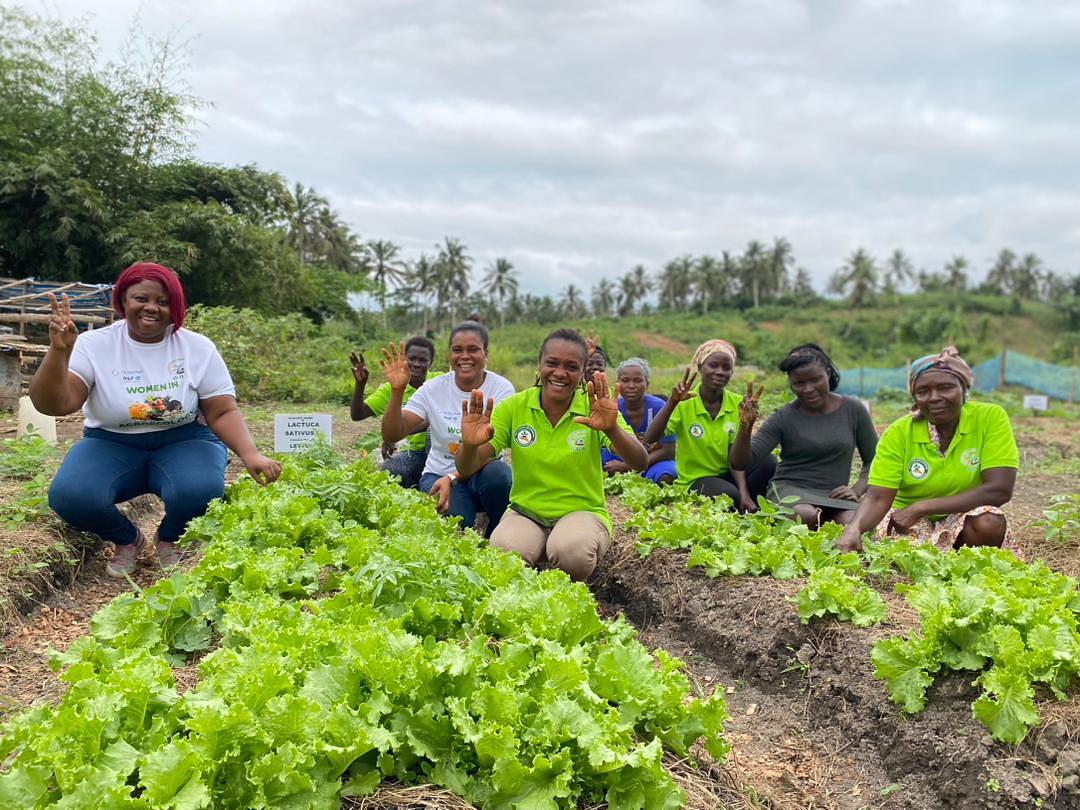
GGV Mampong Agroecology Demonstration Farm
Ghana
 308
308
Short description of your place and practices
We are located in the vibrant Sekondi-Takoradi Metropolis, specifically within the community of Mampong. Our farm is dedicated to practicing and promoting agroecological farming methods that are both sustainable and environmentally friendly. We focus on producing a diverse range of vegetables, including carrots, peppers, tomatoes, kontomire, potatoes, lettuce, and cabbage. In addition to crop cultivation, we also engage in catfish farming, rabbit rearing, snail cultivation, and oyster mushroom farming.
Our commitment to nature-based solutions is at the core of our farming practices. We utilize animal manure, particularly from poultry, as natural fertilizers, and employ human and rabbit urine for effective weed and pest control. Our integrated pest management system incorporates natural ingredients like neem tree extracts, garlic, chili powder, ginger, and locally made soap from cocoa pods. We also practice mulching with dried weeds and repurpose farm waste into compost and animal feed.
Beyond agriculture, we are innovating in the production of organic hair care products, which have helped women restore hair health lost to chemical treatments. Our holistic approach to farming not only aims to produce nourishing food but also to enhance the overall well-being of our community and environment.
Farm and farming system
Details of the farming system
Our primary focus is on educating and empowering women, youth, and students in agroecological practices that utilize nature-based solutions. We specialize in vegetable production, including carrots, peppers, tomatoes, kontomire, potatoes, lettuce, cabbage, and more. Additionally, we engage in catfish farming, rabbit rearing, snail cultivation, and oyster mushroom farming
Our nature-based approach includes the use of animal manure, particularly poultry manure, as fertilizer; human and rabbit urine for weed and pest control; and integrated pest management (IPM) techniques that involve neem tree extracts, garlic, chili powder, ginger, and locally made soap from cocoa pods. We also practice mulching with dried weeds and repurpose farm waste as compost and animal feed.
Beyond agriculture, we are committed to producing organic hair care products that have proven effective in helping women restore hair lost to chemical relaxers. Our mission is to combat the use of chemical fertilizers, which diminish food quality and contribute to health issues, while strengthening food systems within the Sekondi-Takoradi Metropolis.
What is your dream for the future of your farm and/or your location in general?
Our dream is to empower local farmers by providing employment opportunities and establishing ourselves as leading food producers in the Sekondi-Takoradi Metropolis. We envision expanding our operations to include bee production and engaging in food processing initiatives to produce healthy gari, doughs, and flours that meet the nutritional needs of our community
As we grow, we plan to relocate to a larger site where we can integrate agroforestry practices into our agroecological approach. This will involve planting bee-friendly trees around the farm's perimeter and installing bee structures within two years, fostering a thriving ecosystem that supports both our agricultural and environmental goals.
We are currently funded by the 11th Hour Foundation, and we aim to secure additional partnerships to further our mission of enhancing food security in Sekondi-Takoradi. Our long-term vision includes the creation of the GGV School of Agriculture, where we will expand our educational reach, equipping the next generation of farmers with the knowledge and skills to cultivate a sustainable future.
Beyond these ambitions, we aspire to be a beacon of innovation in the agricultural sector, constantly exploring new methods to improve food systems and contribute to the overall well-being of our community. We believe that through collaboration, innovation, and a deep commitment to sustainability, we can transform our region into a model of agroecological excellence.