
Where it is realized
Summary description of agroecological practice
Our agroecological practices are centered around sustainable, nature-based solutions that enhance soil health, improve water retention, and promote biodiversity. We utilize a variety of techniques to create a balanced and resilient farming system.
One of our key practices is mulching, where we cover the soil with dried weeds and other organic materials. This method helps to retain moisture, reduce soil erosion, suppress weeds, and gradually enrich the soil as the mulch decomposes. Additionally, we incorporate biochar into the soil, which further enhances water retention and provides a stable habitat for beneficial microorganisms.
We also engage in integrated pest management (IPM) using natural remedies such as neem tree extracts, garlic, chili powder, ginger, and locally produced soap from cocoa pods. This approach effectively controls pests without harming the environment.
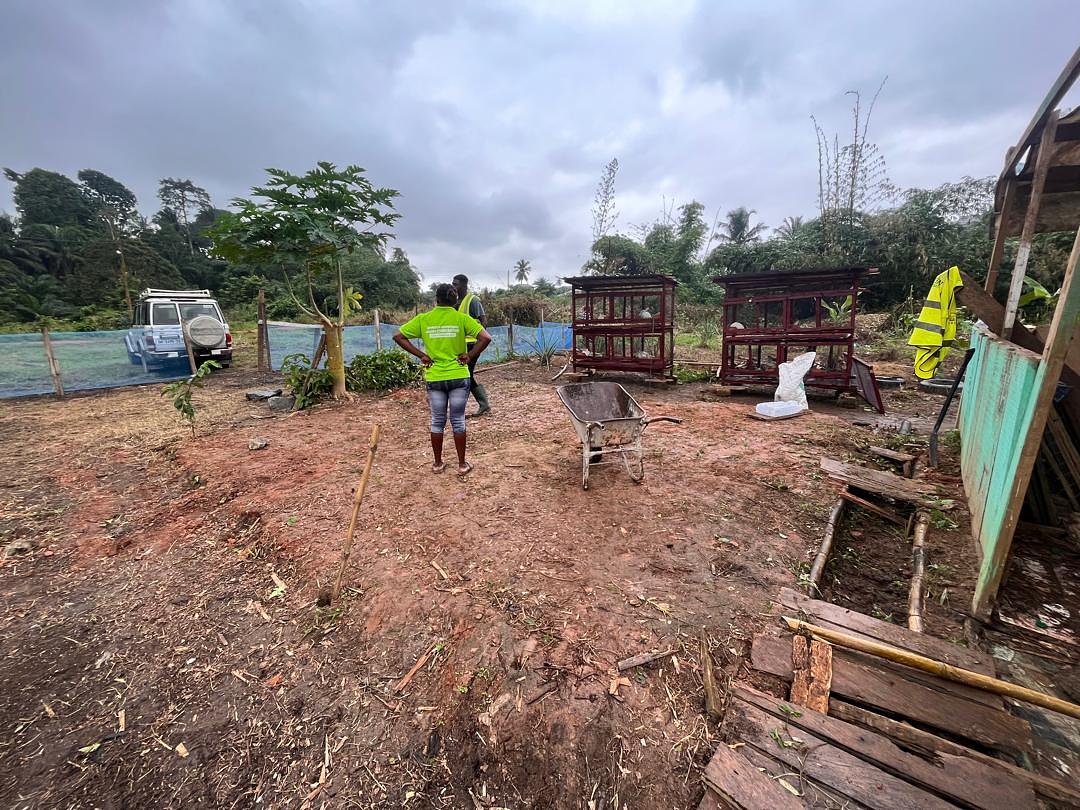
Our farm waste is repurposed as feed for our rabbits and snails, ensuring that nothing goes to waste. The rabbits, in particular, are housed in cages designed with a sustainable waste collection system that captures their manure in an energy-efficient manner. This manure is then used to create high-quality compost, which is applied back to the fields, further enriching the soil and closing the nutrient cycle.
Through these practices, we aim to create a self-sustaining ecosystem that not only produces healthy food but also supports the long-term vitality of our land and community.
Implementing the practice
Our preparation and implementation process begins with building strong relationships within the community. We start by contacting local community heads to gain their support and insights, ensuring that our initiatives are culturally appropriate and meet the community's specific needs. This collaboration is essential for fostering trust and encouraging widespread participation.
Our outreach efforts are particularly focused on women and youth, recognizing their critical role in agriculture and their potential as agents of change. We hold community meetings and information sessions to raise awareness about our agroecological practices and the benefits they bring, such as improved crop yields, soil health, and long-term sustainability. We also use local advertising channels to reach those who are already farming, inviting them to learn and adopt new techniques.
Once we have engaged a group of interested participants, we conduct intensive training programs. These sessions cover the foundational principles of agroecology, including soil health management, water conservation, and organic pest control. Participants are taught how to prepare and apply mulching to retain soil moisture, reduce erosion, and enhance soil fertility over time. We also introduce them to the production and application of biochar to further improve soil structure and water retention capabilities.
An important aspect of our practice is the sustainable management of agricultural waste. We train farmers to collect and utilize farm waste efficiently, turning it into compost that can be applied to crops. Additionally, our innovative rabbit rearing system features cages designed to collect waste in a zero-energy manner. This waste is then composted or used directly as fertilizer, creating a closed-loop system that minimizes waste and maximizes resource efficiency.
During the implementation phase, we provide participants with the necessary tools and materials, such as organic mulching materials, composting bins, and biochar production units. We also offer ongoing support through field visits, where we monitor progress, troubleshoot challenges, and provide additional guidance. This hands-on approach ensures that the practices are effectively integrated into the farmers' routines, leading to tangible improvements in their agricultural productivity and environmental stewardship.
In addition, we promote collaborative learning by encouraging farmers to share their experiences and innovations with one another. This peer-to-peer learning model helps to build a resilient farming community that can adapt to changing conditions and continue to thrive.
Overall, our approach is designed to empower farmers with the knowledge, skills, and resources they need to implement sustainable agroecological practices successfully. By fostering a strong sense of community and providing ongoing support, we ensure that these practices are not only adopted but sustained for the long term.