
Where it is realized
Summary description of agroecological practice
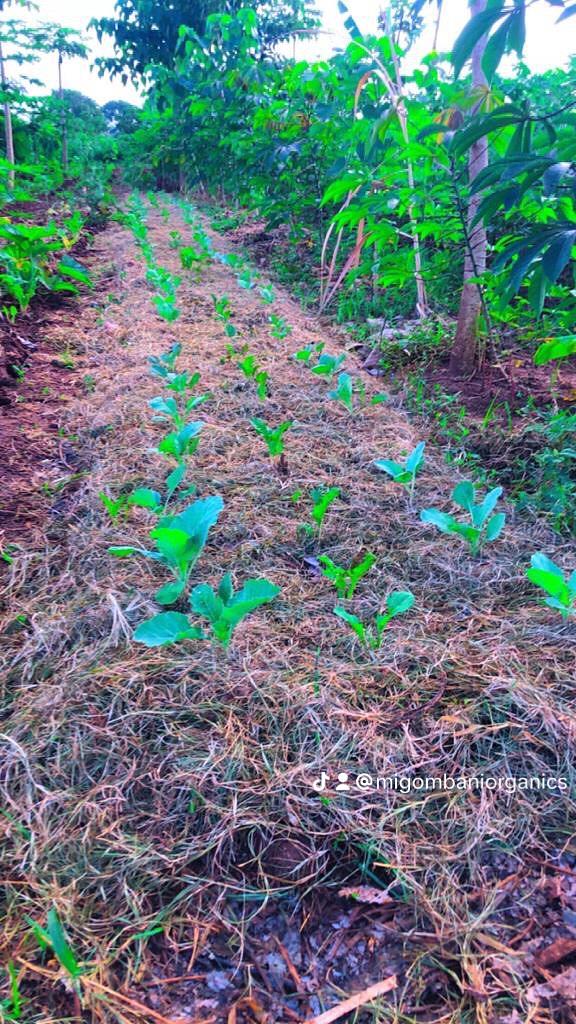
Migombani Organic Farm is building a food forest at Kilifi County - Kenya, based on the principles of syntropic farming. We are trying to build a regenerative, climate-smart farming system; and build soil using biomass-derived from weeding and integrate local plants to help support biodiversity. Here we integrate iron and nitrogen-fixing plants in the farming system, trying to avoid disturbing the soil, also known as successional agroforestry.
Type of agroecological practice
Migombani Organic Farm produces fresh Organic Fruits, Vegetables and Herbs products, practicing syntropic, climate-smart restorative agriculture.
Implementing the practice
Migombani is building a food forest based on the principles of syntropic farming. We are trying to build a regenerative, climate-smart farming system; and build soil using biomass-derived from weeding and integrate local plants to help support biodiversity. We integrate iron and nitrogen-fixing plants in the farming system, trying to avoid disturbing the soil, also known as successional agroforestry.
Why you use and what you expect from this practice?
Migombani’s cheif goal is to be an example for other small-holder farmers, youths and big companies to show that it is possible to make a profit while restoring the environment. We also believe that in order for food to be healthful, the environment in which it grows has to be healthy.
Land size
Substitution of less ecological alternative
Details
we intergrate animal, poultry, fresh water fish and bio diversity plant systems in ways that, in their natural interactions, they create an ecological balance leading to abundance and quality without using synthetic fertilizers or pesticides which are not only harmful to human consumption but to the soil and the ecosystem.