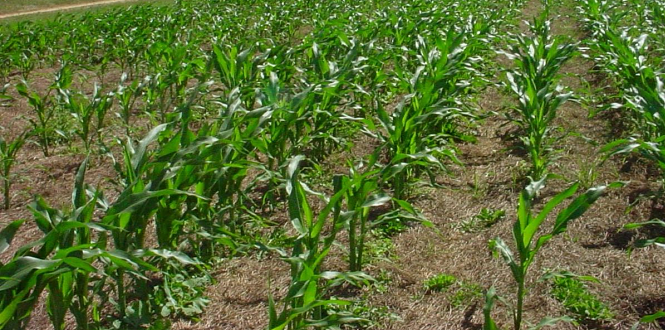

General performance
4 - Rather effective
Details
Cover cropping and minimum tillage practices delivered encouraging results in the last year in terms of weed suppression, soil water conservation and biodiversity improvement. However, both long term projects are just kicking off this year and we anticipate impressive results as it progresses.
Unintended positive side effects of practice
3 - I am not sure
Details
The cultivation of cover crops and incorporation into the soil before maize cultivation is suspected to have enhanced soil carbon sequestration.
Unintended negative side effect of practice
3 - I am not sure
Details
None yet
Knowledge and skills required for practice
4 - Rather high specialised knowledge required
Details
Not completely
Labour required for practice
2 - Rather low labour required
Details
No
Cost associated with practice
2 - Rather low costs
Details
Yes, both practices entail financial costs for acquiring inputs, as well as for labor and equipment required for implementation.
Does it work in degraded environments?
4 - Works rather well in depleted environment
Details
Yes
Does it help restore land?
5 - Very effective
Details
YES
Climate change vulnerability effects
5 - Very effective
Details
Yes
Time requirements
2 - Takes rather long to work
Details
Yes