
Where it is realized
Summary description of agroecological practice
Soil health management
Type of agroecological practice
Intercropping
Cover cropping
Companion planting
Mulching
Crop rotation
Implementing the practice
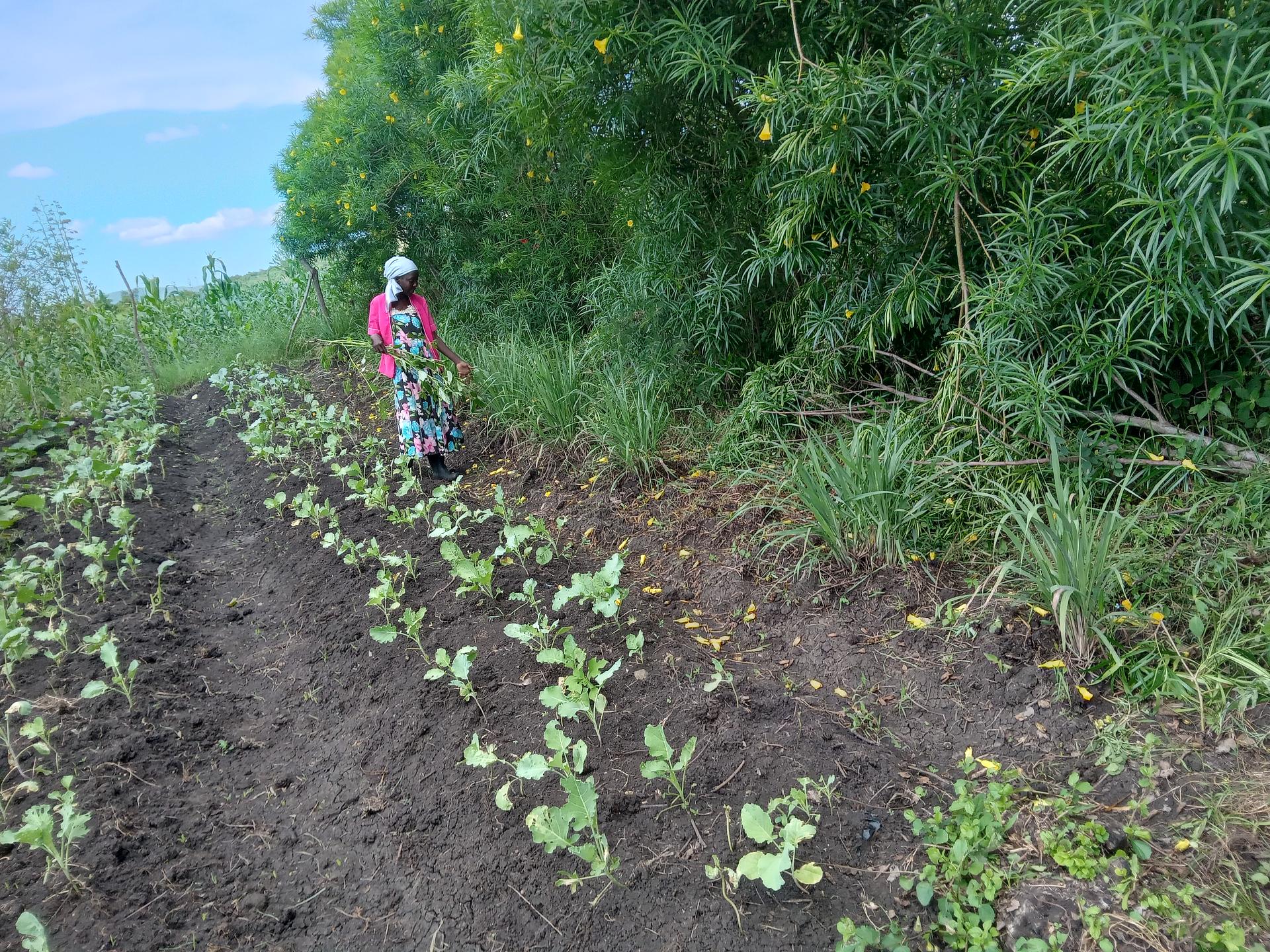
Using organic waste and crop residues for compost and mulching to improve soil health and maintain moisture in the soil respectively.
Managing weeds through cultural and mechanical practices. The residues are incorporated into the soil to improve its fertility. No chemical herbicides are used.
Planting of cover crops like beans, groundnuts, sweet potatoes, pumpkins, butter nuts to maintain soil moisture and control soil run off.
Using reduced tillage practices.
Practicing crop rotation for improved soil health.
Why you use and what you expect from this practice?
Soil health management improves the soil quality hence increasing the crop yields which in turn provides a better economic value to the household.
Substitution of less ecological alternative
Details
Weeds managed through cultural and mechanical practices are incorporated into the soil which improves the soil fertility hence reduces the cost of using the synthetic fertilizers on the soil.