
Where it is realized
Summary description of agroecological practice
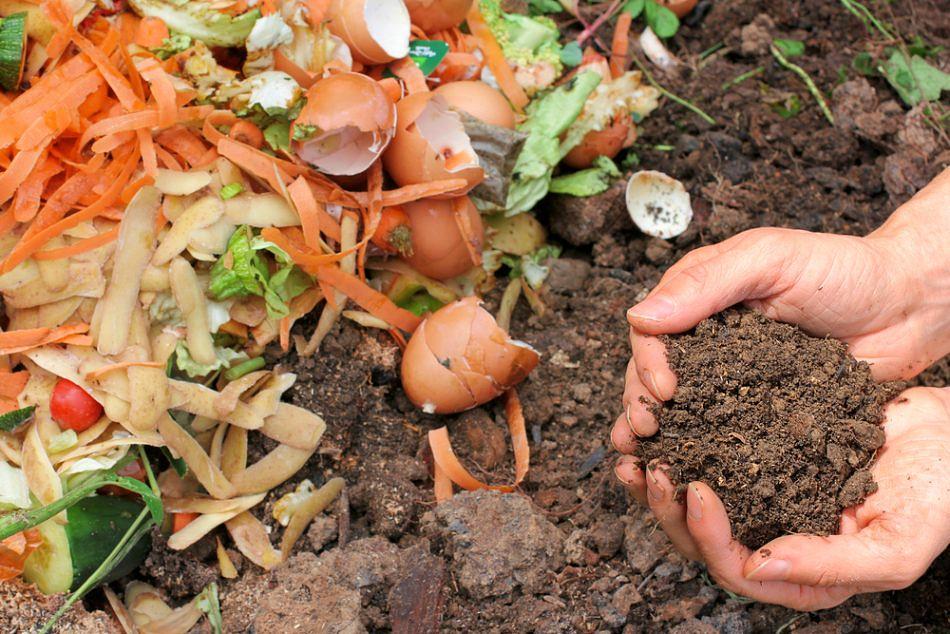
The transformation of vegetable and animal waste into usable fertilizers and compost for horticulture is a fundamental practice in agroecology. This method involves collecting and converting organic materials such as crop residues, manure, kitchen scraps, and plant waste into high-quality compost. Composting is the key process that breaks down these organic wastes through the action of microorganisms, creating a nutrient-rich soil amendment.
Utilizing this compost in agroecological farming practices offers numerous benefits. Firstly, it enriches the soil with essential nutrients such as nitrogen, phosphorus, and potassium, thereby promoting healthy plant growth. Additionally, compost improves soil structure and overall soil health by increasing its water retention capacity and fostering the development of beneficial microbial biodiversity.
The environmental impact of this method is significant. By converting organic waste into compost, it reduces the amount of waste sent to landfills, thus contributing to the reduction of greenhouse gas emissions. Furthermore, by replacing synthetic chemical fertilizers with organic fertilizers, it reduces groundwater and environmental pollution, while promoting sustainable and ecosystem-friendly agricultural practices.
Type of agroecological practice
The agroecological practice described is "Organic Waste Recycling for Soil Health." This practice involves collecting and composting vegetable and animal waste to produce organic fertilizers and compost for soil enrichment in horticulture. It focuses on recycling organic materials to minimize waste, promote soil fertility, and support sustainable agriculture.
Implementing the practice
To implement the practice of organic waste recycling for soil health, several steps are necessary:
Organic waste collection: Collect vegetable waste such as crop residues, grass clippings, and fallen leaves, as well as animal waste like manure.
Sorting and preparation: Sort the waste to remove non-organic contaminants. Break down larger pieces into smaller particles to accelerate the composting process.
Composting: Create compost piles by alternating layers of vegetable and animal waste with carbon-rich materials such as straw or dead leaves. Ensure adequate aeration by regularly turning the compost and maintaining proper moisture levels.
Monitoring and management: Regularly monitor the composting process to ensure that temperature and moisture levels are optimal for waste decomposition. Manage any potential issues such as odors or weed growth.
Compost maturation: Allow the compost to mature for several months until it is fully decomposed and has a homogeneous texture and a fresh earthy smell.
Application of compost: Once the compost is mature, apply it generously to crop soils to enrich the soil with essential nutrients and promote plant growth.
By following these steps, the practice of organic waste recycling can be effectively implemented to improve soil health and promote sustainable agriculture.
Why you use and what you expect from this practice?
We use the practice of organic waste recycling for soil health because it offers several benefits and aligns with our goals for sustainable agriculture:
Soil enrichment: By composting organic waste and applying it to the soil, we expect to enhance soil fertility and structure. The compost adds essential nutrients, such as nitrogen, phosphorus, and potassium, improving soil health and supporting robust plant growth.
Waste reduction: Utilizing organic waste for composting reduces the amount of waste sent to landfills, contributing to waste reduction and environmental sustainability.
Cost savings: Composting organic waste on-site reduces the need to purchase synthetic fertilizers, resulting in cost savings for the farm operation.
Environmental benefits: By recycling organic waste into compost, we reduce greenhouse gas emissions associated with waste decomposition in landfills. Additionally, composting helps sequester carbon in the soil, mitigating climate change impacts.
Soil and ecosystem health: The practice of organic waste recycling fosters beneficial microbial activity in the soil, promoting biodiversity and soil resilience. Healthy soils are more resistant to erosion, retain water more effectively, and support a thriving ecosystem of soil organisms.
Overall, we expect the practice of organic waste recycling to have a positive impact on soil health, crop productivity, environmental sustainability, and the long-term viability of our farm operation.