
Performance générale
Détails
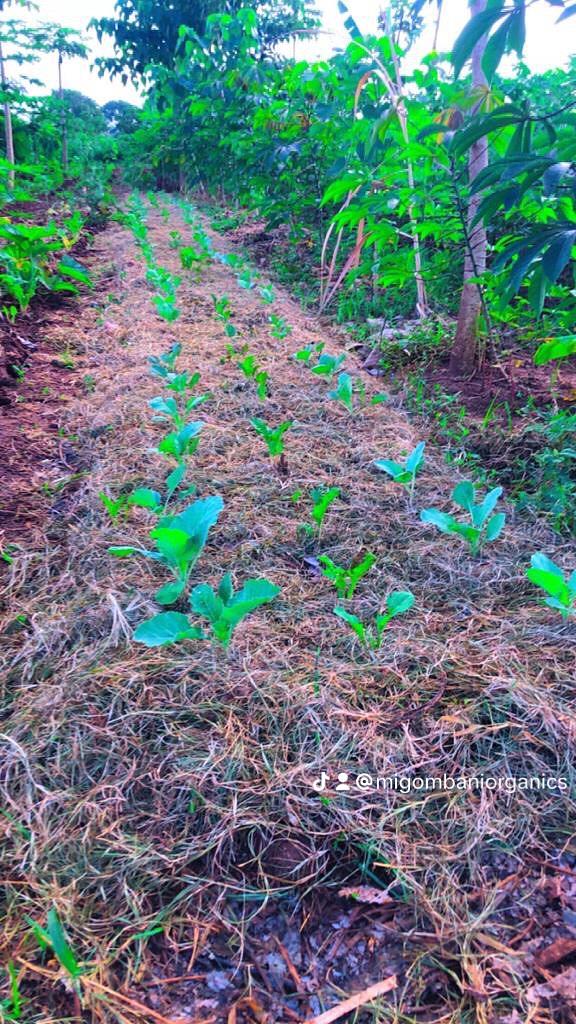
Syntropic farming mimics a natural rainforest’s interdependent plant relationships – using principles that can be applied in food production. It takes the complexity of the ecosystems into account, and eliminates chemical inputs. As expected, syntropic system forms a healthy relationship towards insects and helps the planted species to protect themselves. It improves soil quality while also facilitating significant reductions in water and nutrient inputs. In a nut-shell, our syntropic farming method produces an almost continual harvest of vegetables, fruits, herbs, flowers and forestry timber in a very sustainable way.
Effets secondaires positifs involontaires de la pratique
Détails
Well during the recent Elnino catastrophe at the beginning of the year, 2024. We experienced heavy rains in our farm but the system managed to survive the shocks compared to other conventional farms in our village. Due to the diversity of the crops, heavy feeders like bananas sucked all the runoff water and in a short span the land became calm.
Effet secondaire négatif involontaire de la pratique
Détails
We never experienced any negative side effect of this Syntropic farming method
Connaissances et compétences requises pour la pratique
Détails
Yes, the practice needs relevant skills and knowledge. The right choice of plant companions and their spacing is crucial.
Travail requis pour la pratique
Détails
The practice requires labour at the initial stage but after the system has taken shape it tends to mimic Forest by being self reliable and doesn’t need close supervision. Once in a while you will be required to maintain the system by either pruning or cover the soil with organic matter through chop and drop. Naturally it repels pest so you don’t have to spray chemicals every now and then and it also retains water whereby you don’t water the plants on a day-to-day basis.
Coût associé à la pratique
Détails
It requires sufficient capital at the beginning of the practice since it involves different diversity of fruit trees, vegetables, timber and organic manure. But later on you start harvesting and maintaining the system
La pratique fonctionne-t-elle dans des environnements dégradés?
Détails
Yes, it’s a regenerative agriculture method. So basically we concentrate mainly on building the soil rather than just the crops. Once the soil is alive then expect to have a thriving produce.
La pratique aide-t-elle à la restauration les terres?
Détails
Definitely by integrating diversity of plants and through crop rotation different species and micro-organisms in the soil thrive and play a pivotal role to restore the land and build a resilient ecosystem within the surrounding by accommodating bees, birds, beneficial fungi and the whole soil web
Effets de vulnérabilité au changement climatique
Détails
Yes, the system protects pollinators and other insects against the deadly effects of agrichemicals. Increased nutrient density in the food being produced, which can have a huge benefit on human and animal health and also protection against extreme weather events, like floods and droughts, and against soil erosion.
Délais nécessaires
Détails
The use of animal manure is highly recommended as it normally boosts production of crops and also soil fertility. The quickest mode to Organic Farming.