
Lieu de réalisation
Description sommaire de la pratique agroécologique
The practice I'd like to map is the use of biochars in agriculture, through the valorization of crop residues.
Type de pratique agroécologique
It's an agricultural production cooperative.
We adopted this practice based on the use of biochar because our soil in Kinshasa is very sandy and acidic.
By using biochar, we can combat the acidity of these soils thanks to biochar's neutralizing power, and reduce watering time because biochar increases the soil's water and nutrient retention capacity.
Biochar is a promising tool for carbon sequestration because of its ability to remain stable in the soil for hundreds or even thousands of years. In fact, biochar produced from agricultural waste is estimated to sequester up to 1.2 t C ha-1 year-1.
Mise en œuvre de la pratique
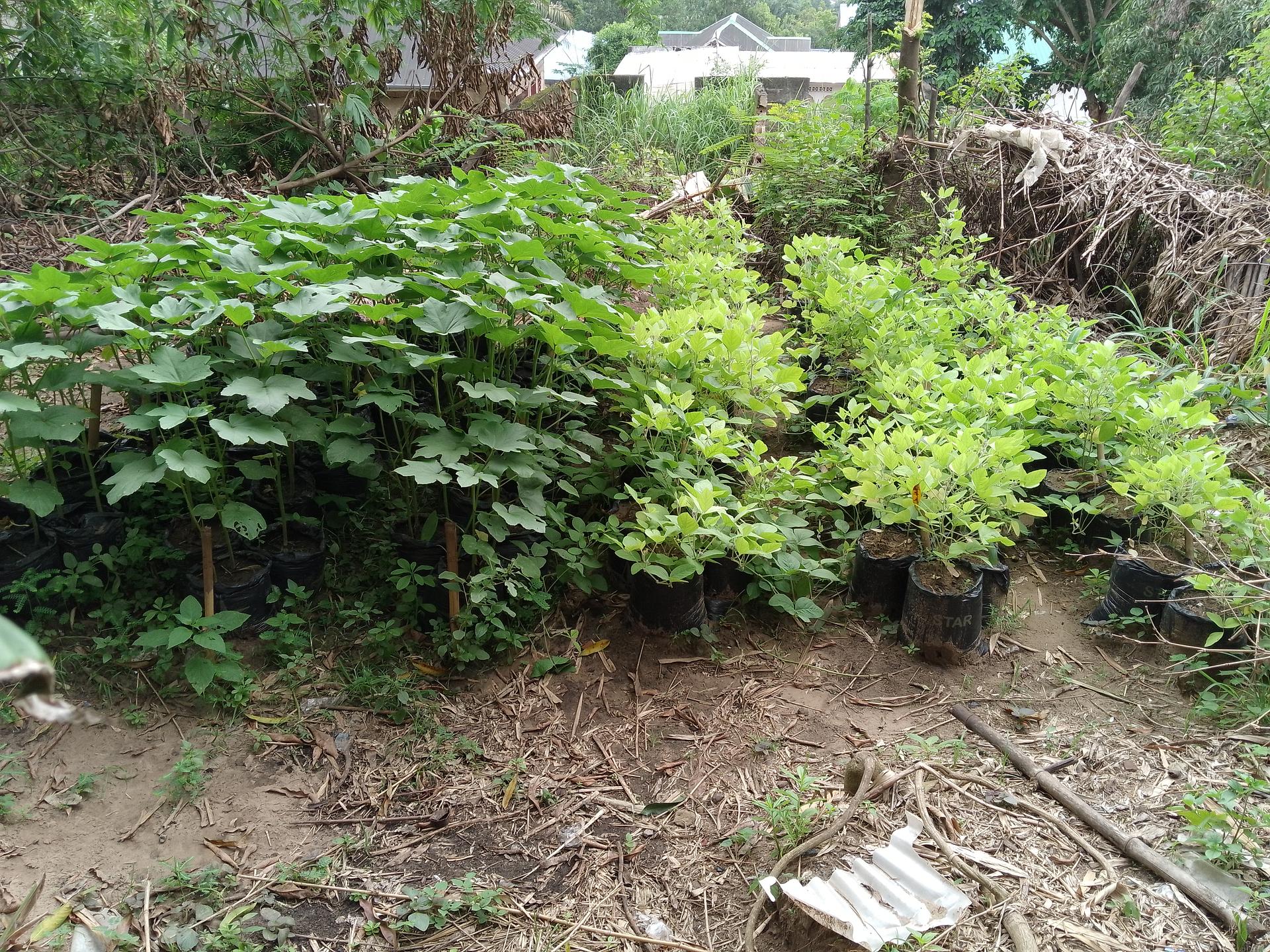
We put this practice into practice by experimenting in the field.
Pourquoi utilisez-vous cette pratique et qu'attendez-vous d'elle ?
We use this practice because it is very promising and better adapted to Kinshasa's acid sandy soil conditions.
Superficie du terrain
Substitution d'une alternative moins écologique
Détails
But sometimes we use chemical fertilizers in microdose form.