
Descrição do sumário
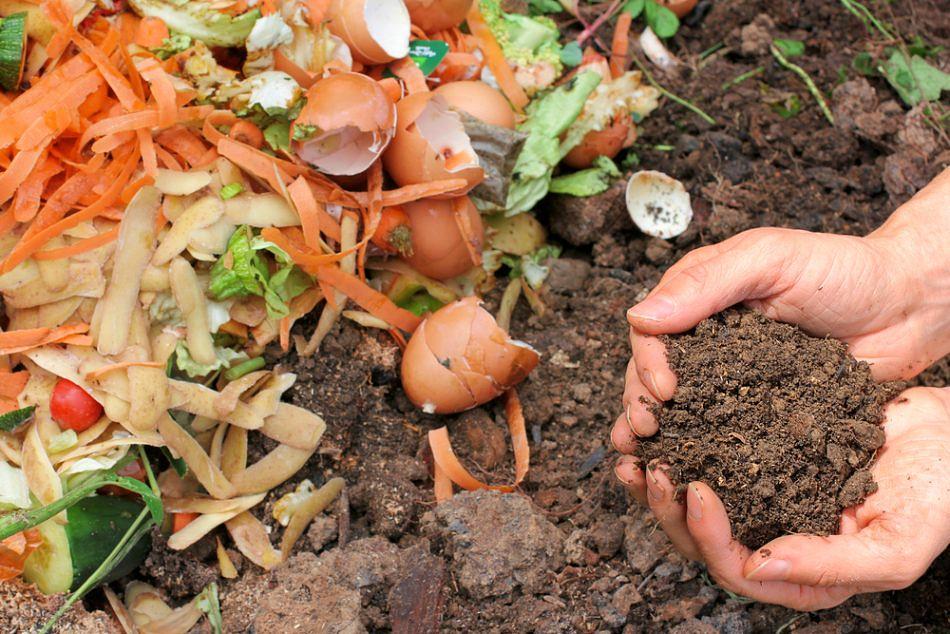
The transformation of vegetable and animal waste into usable fertilizers and compost for horticulture is a fundamental practice in agroecology. This method involves collecting and converting organic materials such as crop residues, manure, kitchen scraps, and plant waste into high-quality compost. Composting is the key process that breaks down these organic wastes through the action of microorganisms, creating a nutrient-rich soil amendment.
Utilizing this compost in agroecological farming practices offers numerous benefits. Firstly, it enriches the soil with essential nutrients such as nitrogen, phosphorus, and potassium, thereby promoting healthy plant growth. Additionally, compost improves soil structure and overall soil health by increasing its water retention capacity and fostering the development of beneficial microbial biodiversity.
The environmental impact of this method is significant. By converting organic waste into compost, it reduces the amount of waste sent to landfills, thus contributing to the reduction of greenhouse gas emissions. Furthermore, by replacing synthetic chemical fertilizers with organic fertilizers, it reduces groundwater and environmental pollution, while promoting sustainable and ecosystem-friendly agricultural practices.