
Where it is realized
Summary description of agroecological practice
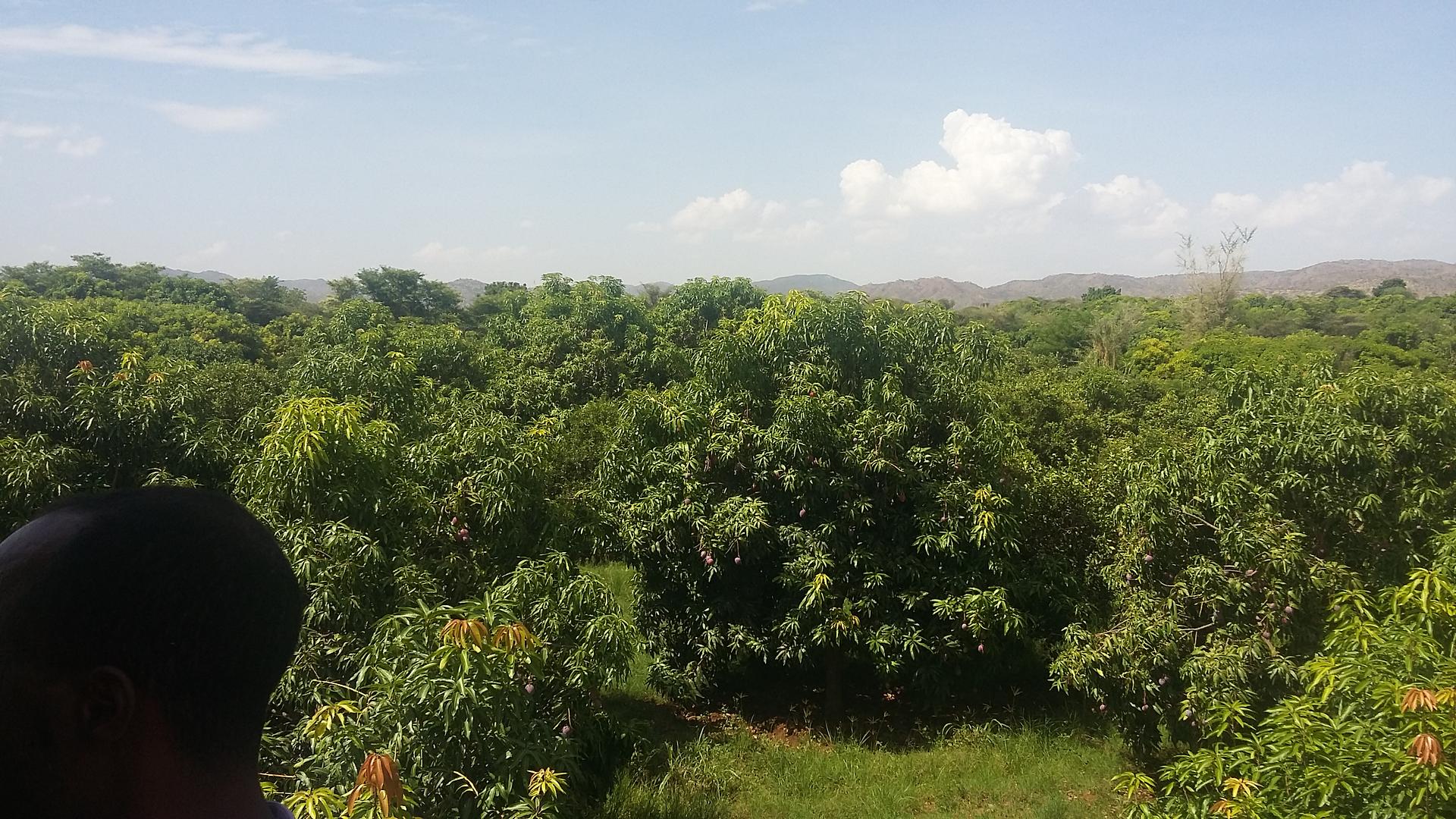
Mrs Haregu Gobezay lives in the Mereb-leke district, in the Central Zone of the Tigray region. Thanks to her ambitious attitude, alternative thinking and immense efforts, she transformed previously degraded land into a biodiversity hotspot and contributed massively to the economic development of her community. This in turn has greatly contributed towards agrifood systems and climate action.
Type of agroecological practice
The farm was established in 2005 at that time she was practicing irrigation on 1.5 hectares and now she is practicing on 12 hectares of land. During the first five years, she was able to engage on cash-oriented vegetables such as tomato, onion, paper, and she found out that the soil was not anymore fertile to support future agricultural productivity with the same or improved productivity even with the use of inorganic fertilizer.
Implementing the practice
Then, she came up with other novel ideas that is strange not only for woman famer like her but also for researchers like me and for other established scientists. The noble ideas she come up with were 1) she has decided to replace the top soil by other fertile soil from somewhere else. Moreover, she also made a shift from vegetables to fruits like Mango (with Apple, Kent, Tommy, Kit, Dado, and local varieties), Avocado, Orange, and Mandarin. Currently there are more than 6000 fruit trees in her farm. Side by side, she has also planted fodder grasses like Desmodium, elephant grass and a tree called True neem (to be used as biological pesticide/insecticide) and many others. The other breakthrough she did was that she has decided to ban use of any inorganic material, including fertilizer, pesticide, herbicide, insecticide and much more.
Why you use and what you expect from this practice?
The produce will be organic, and it reduces the higher cost of synthetic inputs such as fertilizer and insecticide
Land size
Substitution of less ecological alternative
Details
From 2000, there farm does not use any synthetic inputs and in doing this it reduces less ecological alternative