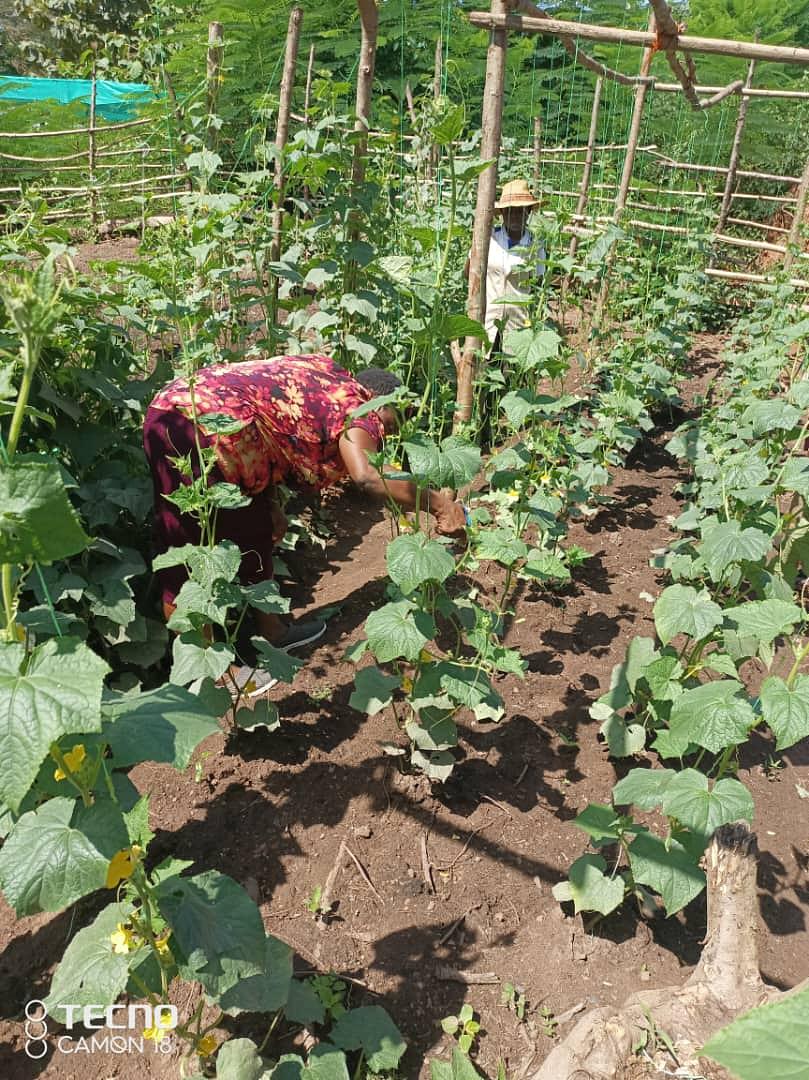

General performance
Details
Over time, we have innovated ways to reduce the mortality ratio lower than conventional methods. Yes the system works, reason we can train others on the farm. we have a training for youth to learn on the farm for 3 months
Unintended positive side effects of practice
Details
We know the system is capable of doing more than what we are seeing now
Unintended negative side effect of practice
Knowledge and skills required for practice
Details
Identifying the available spices, herbs and fruits in one locality and what they are used for is the knowledge required. many of the practices are indigenous but have been improved on, therefore if someone wants to learn, he does not require a high level of knowledge to understand what is been taught
Labour required for practice
Details
At the initial stage, labour would be high but as you work and develop the system, your cost of labour and time involved will reduce because of the different elements that will be working for each other. The labour required in preparing the herbal formulations may be high. These can be produced in large volumes and preserved to cut down on labour.
Cost associated with practice
Details
No, over time our costs are reducing
Does it work in degraded environments?
Details
The manure is composted and used to grow more herbs, fruits and vegetables. yes, the method works in degraded land and soil.
Does it help restore land?
Details
Yes, it does because we produce our bio-fertilizers from waste, no material is wasted from both crops and animals, we recycle them back to the system.
Climate change vulnerability effects
Details
Yes,
Time requirements
Details
Once you can use a good source of material, give the required quantity and good observation techniques are required. The soil builds up gradually but if one is consistence, it works rapidly after some time