
Onde é realizado
Descrição resumida da prática agroecológica
Bokashi composting was popularised in Japan in the 1980s and consists of layering kitchen scraps with a bokashi inoculant in an air-tight container. After about 10 days of fermentation, the mixture produces a bokashi compost that can be buried in 10 cm deep trenches to fertilise the soil.
Bokashi is an anaerobic fermentation process rather than a traditional aerobic composting method.
Tipo de prática agroecológica
Alternative bio-fertiliser
Implementando a prática
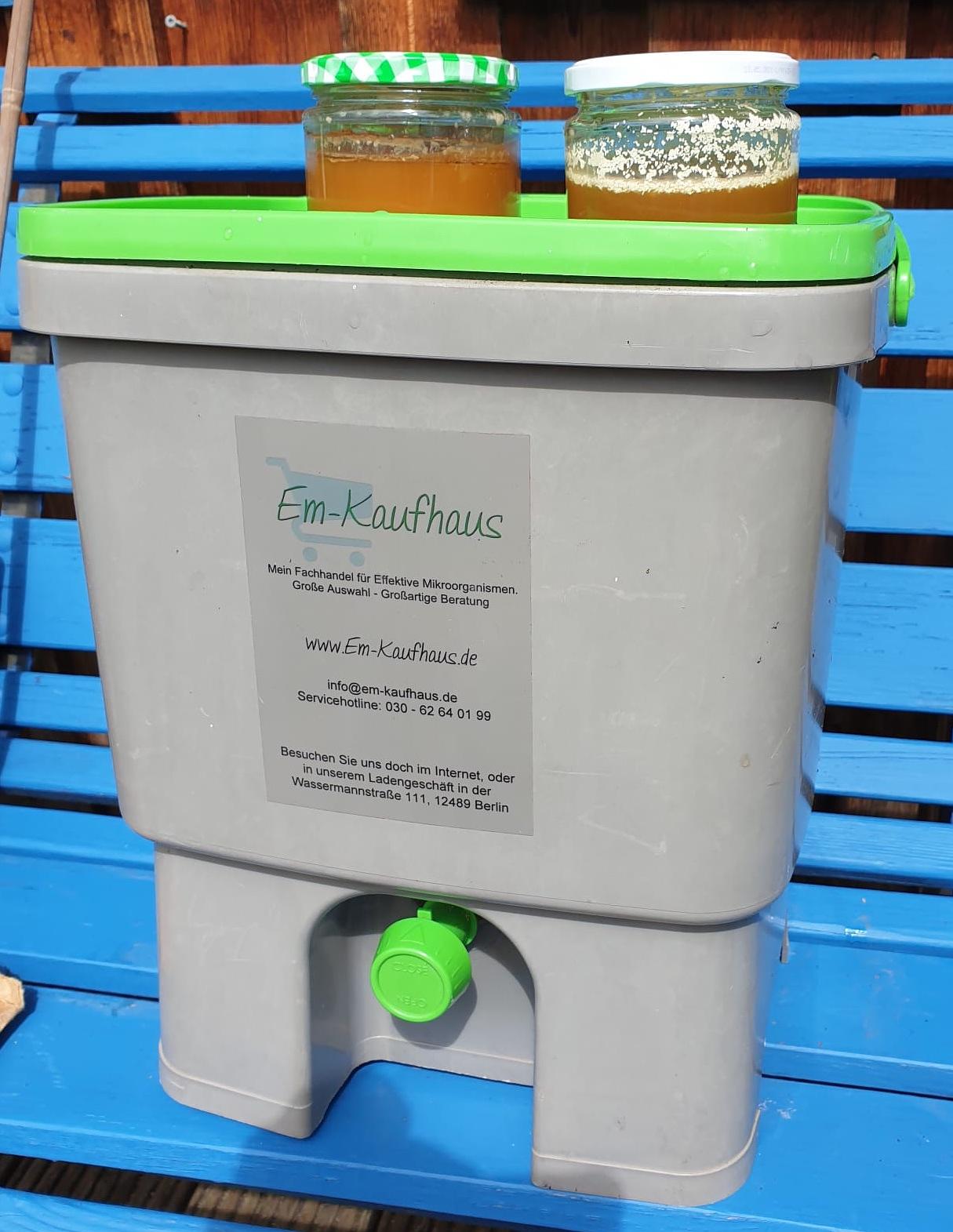
We typically cut kitchen scraps (including ground coffee, vegetable and fruit peels and stems) in very small pieces and mix them in a container. Once we have enough, we layer the scraps with a bokashi inoculant (usually sawdust combined with effective microorganisms, EM) in a specific bokashi bucket. We seal the air-tight container and leave it sitting in the sun for about 10 days. An integrated tab allows for easy collection of the liquid produced during fermentation, the so-called bokashi juice or bokashi tea.
We typically dig compost trenches in the garden, apply the fermented bokashi compost, and cover it with topsoil. We sometimes combine it with other natural materials, such as sheep wool pellets.
The fermented material can also be recycled and used in worm bins, for example. The liquid produced can be used as bokashi juice or tea to fertilise house plants. The tea can also be used to accelerate alternative composting forms.
Por que você usa e o que você espera dessa prática?
It increases natural microorganisms in the soil that help increase soil health, and support plant growth.
Tamanho da terra
Substituição de alternativa menos ecológica
Detalhes
The highly nutritious plant food replaces other soil fertilisation methods, including inorganic fertiliser.