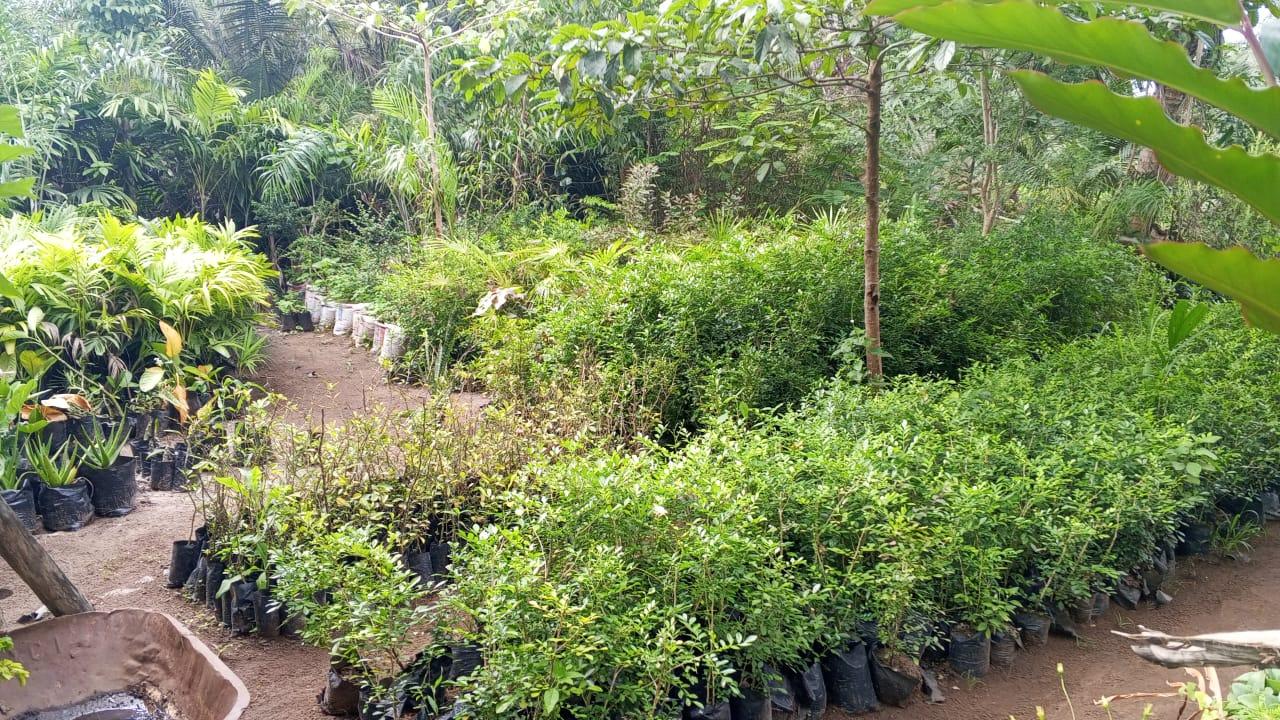

Onde é realizado
Descrição resumida da prática agroecológica
Integrated agroecology in the Ouémé Valley combines agriculture, fishing, and sustainable natural resource management to improve the livelihoods of local communities. This practice is based on crop diversification, the use of organic inputs, soil and water conservation, as well as sustainable artisanal fishing in the valley's rivers and wetlands. It promotes biodiversity conservation, food security, climate change adaptation, and the sustainable increase of rural household incomes.
Tipo de prática agroecológica
Integrated Agroecology for Agriculture and Fisheries
Integrated System of Agriculture, Fisheries, and Sustainable Natural Resource Management
Sustainable Family Farming in Wetland Areas
Agroforestry and Sustainable Artisanal Fishing
Climate-Resilient Agriculture in Floodplain Valleys
Implementando a prática
The practice is implemented in the Ouémé Valley through the integration of crop production, artisanal fishing, and sustainable natural resource management. Farmers use organic fertilizers, diversify their crops, conserve soil and water resources, and protect aquatic ecosystems. This approach improves food security, household incomes, and resilience to climate change.
Por que você usa e o que você espera dessa prática?
I use this practice to produce sustainably while preserving the natural resources of the Ouémé Valley. It helps improve soil fertility, protect aquatic ecosystems, diversify income sources through farming and fishing, and reduce dependence on chemical inputs. I expect this practice to sustainably improve food production, household food security, farmers' incomes, and community resilience to climate change.
Tamanho da terra
Substituição de alternativa menos ecológica
Detalhes
This practice replaces conventional farming systems that rely heavily on chemical fertilizers, synthetic pesticides, and excessive exploitation of fishery resources. It promotes the use of organic inputs, crop diversification, the conservation of aquatic ecosystems, and environmentally sustainable fishing practices.